12 Nov 2026
How Studio Networks Coordinate Real-Time Dealer Shifts to Meet Interstate Demand Spikes
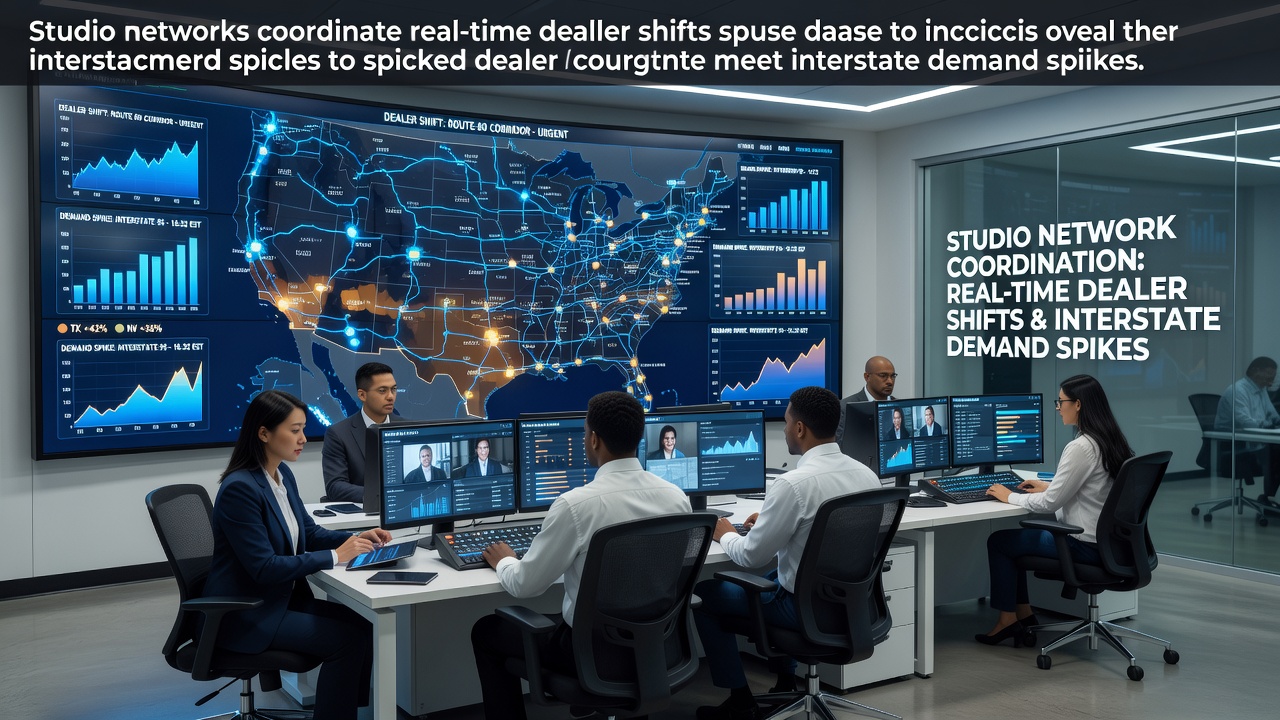
Studio networks handling live dealer games rely on integrated software platforms that track player volumes across state lines in real time, and these systems trigger automatic alerts when traffic surges exceed baseline thresholds in any jurisdiction. Operators compile data from multiple casino platforms simultaneously while cross-referencing historical patterns, regulatory staffing minimums, and available dealer certifications to redistribute personnel without violating per-state licensing rules. In practice this means a dealer qualified for both New Jersey and Pennsylvania tables can move between streams as demand dictates, and coordination happens through centralized command centers that update shift rosters every few minutes during peak windows.
Mapping Demand Across Jurisdictions
Interstate spikes often align with shared events such as major sports playoffs or holiday weekends, and data from 2025 showed consistent rises in Michigan and New Jersey tables during the same Thursday-to-Sunday periods. Networks use predictive models that incorporate weather forecasts, local event calendars, and cross-border marketing campaigns to anticipate where volume will concentrate. Observers note that these models reduced average response times from forty minutes to under twelve minutes once full interstate data sharing agreements took effect in early 2026.
Technology Driving Instant Adjustments
Centralized workforce management systems pull live feeds from each state’s gaming server and apply rule-based logic that flags when a table’s wait time exceeds set parameters. Dealers receive tablet notifications with updated station assignments, and biometric check-in stations at studio entrances confirm that only properly licensed individuals enter restricted zones. Software also enforces rest-period requirements that differ by state, so a dealer finishing a Pennsylvania session cannot immediately start in Connecticut until the mandated interval passes. Integration with payroll systems ensures compensation adjusts automatically for the new jurisdiction’s wage and tax rules.
Regulatory and Licensing Constraints
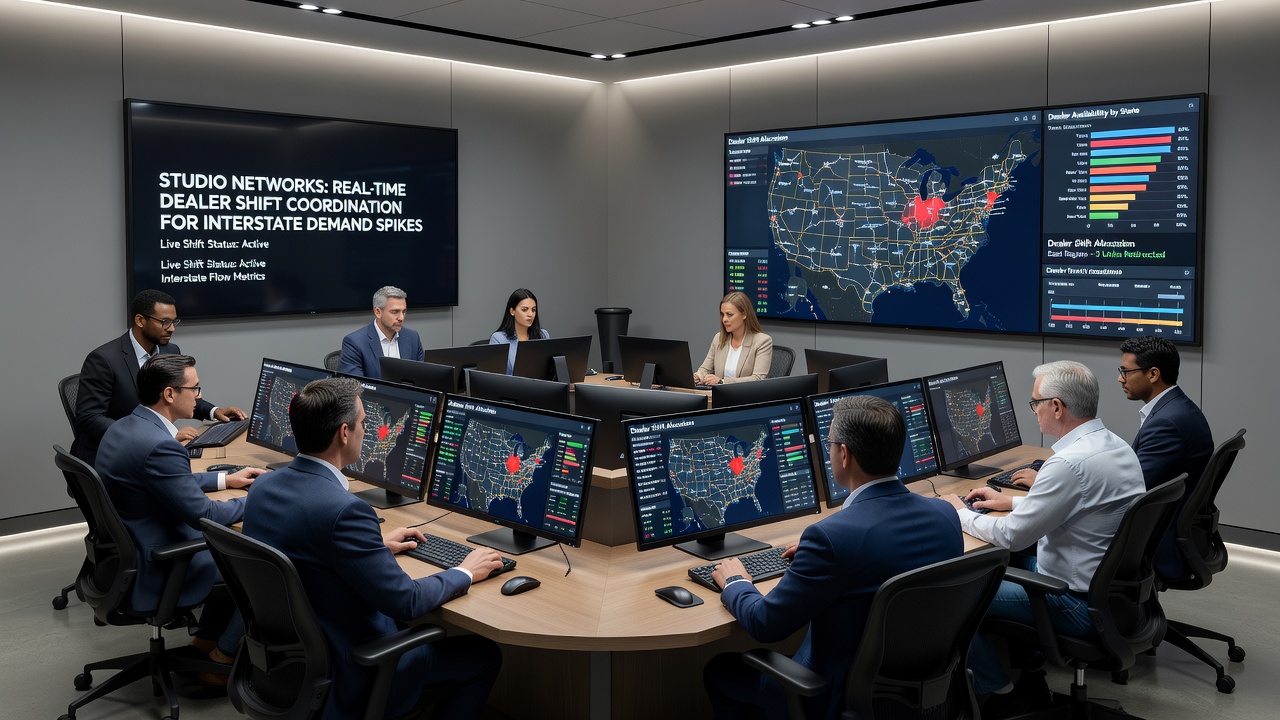
Each state maintains its own dealer licensing database, and networks must query these systems before any reassignment occurs. Pennsylvania’s requirements include additional training modules on local responsible-gaming disclosures that New Jersey does not mandate, so platforms flag only qualified dealers for cross-state moves. The New Jersey Division of Gaming Enforcement publishes monthly staffing reports that networks reference when planning November 2026 holiday coverage, since that period historically produces the year’s highest interstate traffic overlap. Auditors conduct random spot checks of shift logs to verify that no unlicensed dealer appears on a table outside their approved jurisdictions.
Operational Workflows in Practice
Shift supervisors begin each day reviewing overnight analytics that highlight tables with the steepest growth curves, then they pre-stage relief dealers in adjacent rooms for quick swaps. When an unexpected spike hits, the system locks in temporary table closures in lower-demand states and reallocates those dealers within minutes. One documented sequence during March 2026 bracket play showed fourteen dealers reassigned across three states inside a single ninety-minute window, and all moves stayed within each jurisdiction’s maximum table-to-dealer ratio. Communication occurs through encrypted group channels that also carry regulatory update bulletins so staff remain aware of any last-minute rule changes.
Staff Training and Certification Management
Networks maintain a shared credential registry that tracks expiration dates for every multi-state license, and automated reminders prompt dealers to complete renewal courses before they lose eligibility. Cross-training programs allow a core group of dealers to qualify for additional states during slower periods, expanding the pool available for future spikes. Data from the Michigan Gaming Control Board indicates that studios with broader multi-state certification coverage experienced 23 percent fewer service interruptions during the 2025 holiday surge compared with those relying on single-state rosters.
Conclusion
Coordination of real-time dealer shifts across interstate live dealer networks depends on layered technology, strict licensing compliance, and continuous data exchange between operators and regulators. As more states authorize online casino gaming, the systems that manage these movements continue to evolve, and November 2026 is expected to test current capacities once again during peak seasonal demand.