29 Oct 2026
Demographic Influences on Live Dealer Game Choices in the U.S.
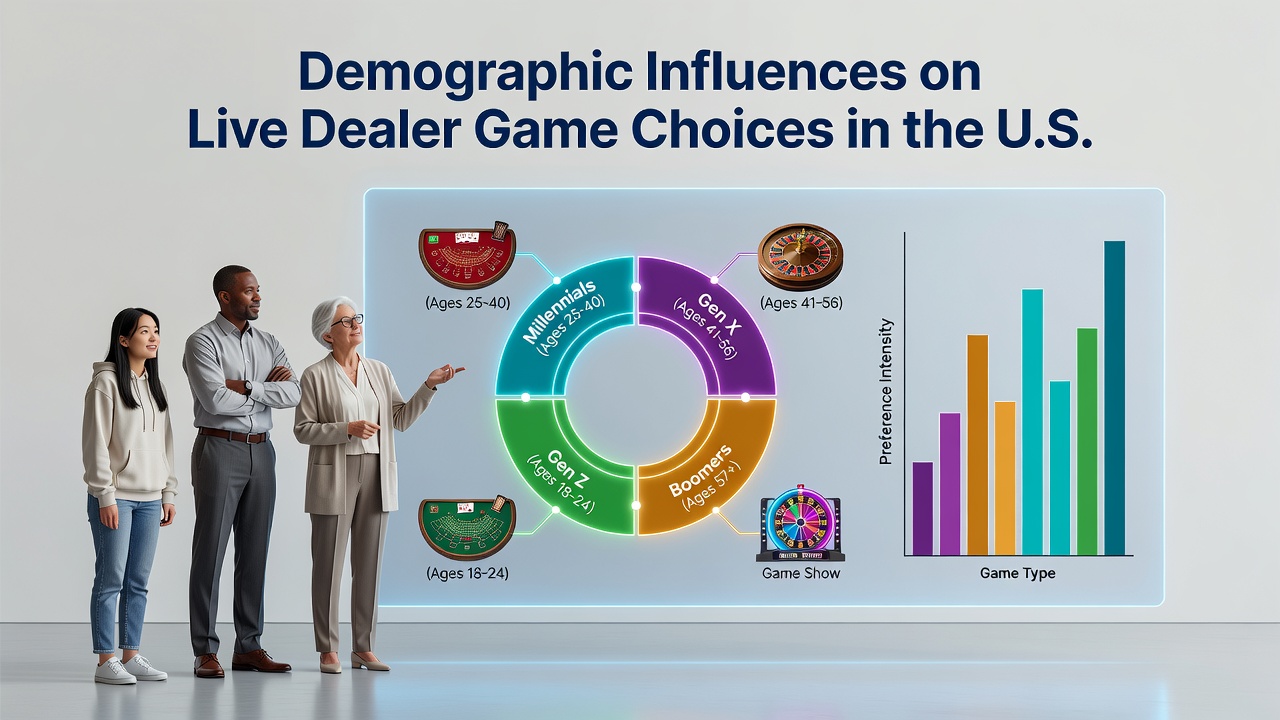
Live dealer games have gained steady traction across regulated U.S. markets, and player selections often align with measurable demographic patterns rather than random preference. Data compiled from state-licensed platforms show clear correlations between age, gender, income brackets, and the specific table games that attract consistent participation.
Age-Based Game Selection Patterns
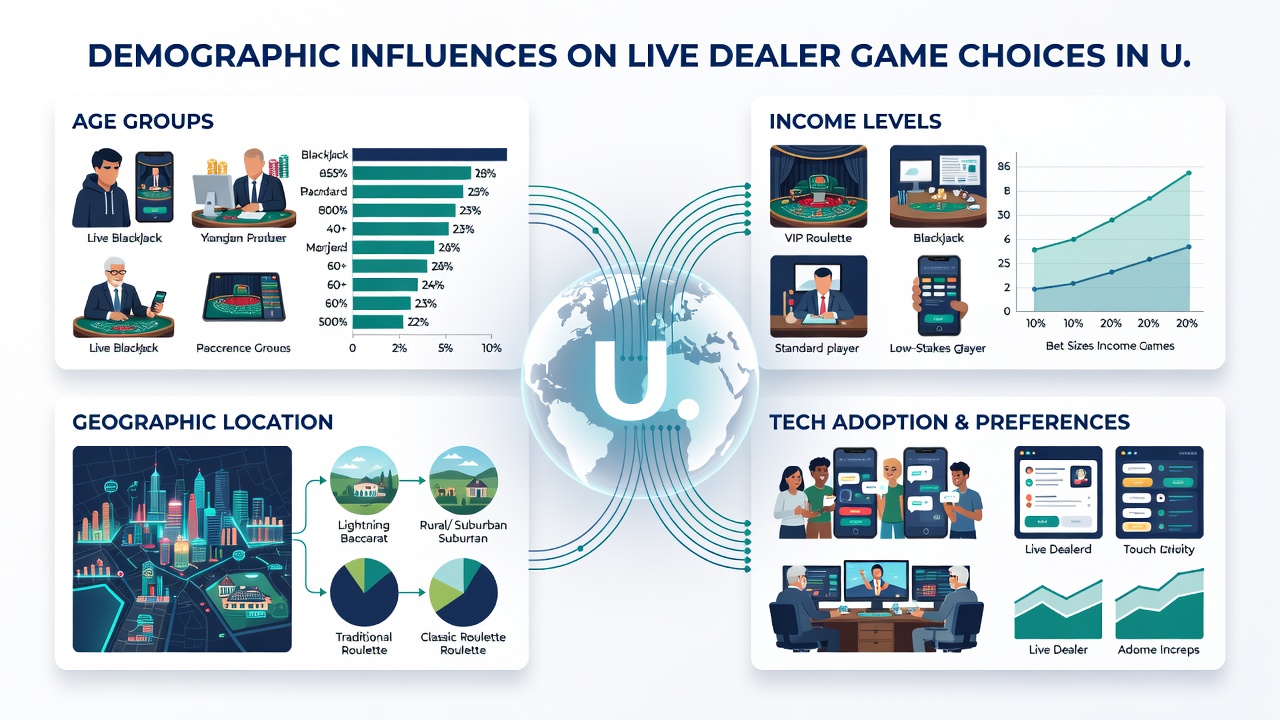
Players aged 21 to 34 tend to gravitate toward blackjack and speed variants of roulette, where quick rounds and high interaction with dealers match shorter attention cycles. In contrast, those over 45 show higher engagement with baccarat and traditional roulette, where pacing allows for longer sessions and more measured betting strategies. A 2025 analysis of New Jersey Division of Gaming Enforcement records indicated that blackjack tables hosted by younger dealer teams recorded 28 percent more sessions from the 21-34 cohort than from older groups during the same periods.
Gender Differences in Table Preferences
Men represent a larger share of blackjack and craps participants, while women account for elevated activity in live roulette and game-show style tables that incorporate bonus rounds. These splits appear across multiple state reports, including those from Pennsylvania and Michigan. Observers note that social features, such as dealer chat and community side bets, draw higher repeat play from female audiences, whereas male players more frequently select tables wth higher minimum bets and faster card delivery.
Income Levels and Betting Behaviors
Higher-income households, defined by annual earnings above $150,000, demonstrate stronger participation in high-limit baccarat and VIP blackjack rooms, according to aggregated transaction data released by the American Gaming Association. Lower to middle-income players concentrate activity in standard-stakes roulette and blackjack, often during evening hours when promotional reload bonuses appear. These patterns hold steady even when platform interfaces remain identical across user accounts.
Geographic location further refines choices. Urban players in the Northeast show elevated interest in European roulette variants with French rules, while participants in Western states favor blackjack tables that stream from studios located in the same time zone. Regional differences tie directly to regulatory frameworks, since each state sets its own licensing and streaming requirements.
Regional and Cultural Influences
States that launched live dealer offerings earlier, such as New Jersey and Delaware, display more diversified demographic reach than newer markets. Michigan data from 2024-2025 revealed that Hispanic and Asian player segments selected baccarat at rates nearly double those of other groups, a trend mirrored in limited reports from West Virginia. Educational attainment also correlates: players with college degrees participate more frequently in strategy-heavy games like blackjack, whereas those without degrees show steadier engagement with chance-dominant titles.
October 2026 Market Updates
By October 2026 several additional states had completed regulatory reviews, bringing fresh datasets into public view. Early figures from Connecticut adn Massachusetts indicated that newly authorized live dealer platforms attracted higher proportions of 35-44 year olds compared with the initial waves in 2019-2022. These mid-age players favored hybrid tables that combine traditional dealing with digital overlays, a format less common in the first-generation studios.
Conclusion
Demographic variables continue to shape live dealer selections across U.S. regulated markets, with age, gender, income, and geography each contributing distinct patterns. Ongoing state-level reporting supplies the raw numbers that allow operators and researchers to track these shifts without relying on anecdotal claims. As more jurisdictions finalize licensing frameworks, teh available datasets will expand, offering clearer longitudinal views of how player profiles evolve alongside regulatory changes.